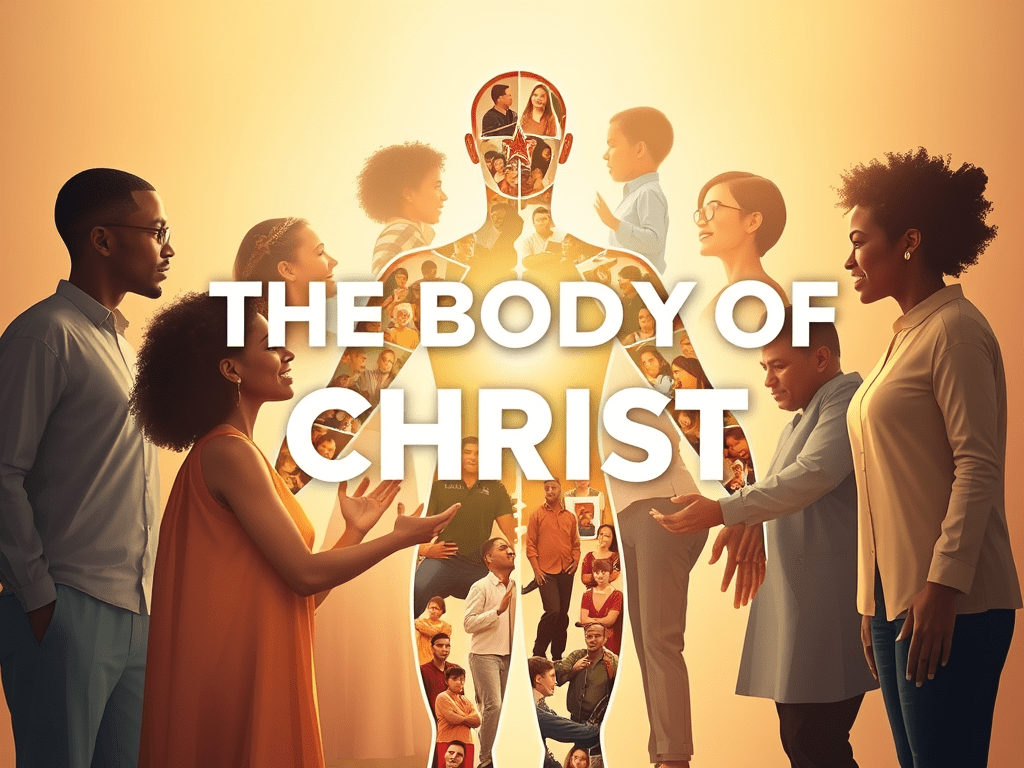
In the intricate tapestry of human life, references to the body appear frequently. Be it in our everyday conversations, in medical settings, or even in athletic contexts, the human body serves as a powerful metaphor. In Ephesians 4:1–16, the Apostle Paul employs this imagery to convey profound truths about the Church, its unity, and the purpose of each believer within this divine organism.
Understanding the Church as the Body of Christ
Throughout the New Testament, the Church is consistently referred to as the Body of Christ, indicating that it operates as a collaborative entity, unified under the leadership of its head, Jesus Christ. Paul’s comparison highlights that just as a human body functions cohesively through the collaboration of its various parts, so too must the Church function as one complete and vibrant body, manifesting the presence and mission of Christ within the world.
The Importance of Unity
Paul exhorts the Ephesians to live a life worthy of their calling (Ephesians 4:1), emphasizing the necessity of unity. Our common bond as believers is established through the sacrificial love of Jesus—His death and resurrection uniting Jews and Gentiles alike. This unity is hence not merely an option; it is a divine call that transcends cultural, racial, and societal barriers (Galatians 3:28).
In our diverse, fractured world, the Church stands as a beacon of hope and reconciliation. Paul recognizes that maintaining unity requires effort and intentionality—seeking to embody humility, gentleness, patience, and love (Ephesians 4:2). This approach underscores the fact that unity is achieved not through uniformity, but through the acknowledgment and appreciation of our differences in the context of love.
The Role of the Holy Spirit
To foster this spirit of love and unity, Paul reminds us of the indispensable role of the Holy Spirit. The presence of the Holy Spirit empowers believers to pursue unity while ensuring that our hearts are filled with genuine love for one another (Romans 5:5). In a world that promotes individualism and self-interest, the Holy Spirit counters these narratives, instilling within us the virtues of love and compassion necessary for building a strong community.
Without the Holy Spirit, the endeavor to create a unified body would be akin to an inconsistent exercise routine—attempted but without sustainable results. The Spirit nurtures our capacities for relationship, forgiving violations, and promoting connection with one another (Ephesians 4:3).
The Gifts of the Body
As Paul continues in his letter, he introduces the idea that Christ has bestowed various gifts upon His Church (Ephesians 4:11-13). Among them are apostles, prophets, evangelists, pastors, and teachers. Each role signifies a different aspect of functioning in the body, collectively aiming towards the maturity of believers and the fullness of Christ.
Our Unique Roles
We, as members of the Body, each have our unique roles, tailored and equipped to contribute to the health of the Church. While you may wonder whether your gift counts if you are not in a position of leadership or “front-line” ministry, consider how vital the seemingly lesser roles are in sustaining the intricate dynamics of the Body.
In the human body, every organ and limb has a purpose—whether it is the heart pumping blood, the lungs providing oxygen, or even the little toe keeping our balance. Likewise, the Church requires a myriad of roles to function optimally. You might not be called to be a pastor or an evangelist, but perhaps you possess the gift of organization, hospitality, or the ability to serve behind the scenes.
Consider the words of 1 Corinthians 12:12-27 that elaborate on the diversity and interdependence of the Body of Christ. Paul underscores that every part is essential, and no part is less valuable. Each person has been meticulously crafted for a purpose, and in fulfilling that purpose, we collectively expand the impact of the Church.
Identifying Your Gift
Perhaps you have yet to discover your specific gift or purpose within the Body. Paul encourages us to engage in self-reflection. Start by considering what excites you, what burdens your heart, or where you see a need in your community. Once you identify your gifting, think about how you can creatively deploy that gift in service to the church community and the mission of spreading the Gospel.
Are you someone who possesses the gift of encouragement? Reach out to those who may feel isolated or disheartened. Do you have a talent for administration? Assist in organizing church events or community outreach projects. Your unique contribution is vital in building a cohesive and effective Body of Christ.
Growing Together in Love
The primary goal of the Church is to grow in love. (Ephesians 4:15) By speaking the truth in love, we cultivate an environment where vulnerability coexists with respect, ensuring that our connections strengthen rather than divide. This central theme of love serves as both the catalyst for growth and the glue binding the diverse elements of the Church together.
However, love does not mean sacrificing the truth. Just as a healthy body requires balanced nutrition, a healthy Church must be committed not only to love but also to the principles of God’s Word. We must hold firm to the truth of the Gospel without compromising the core message that Jesus proclaimed.
In the midst of our journey, we will inevitably encounter challenges and conflicts. It is during these times that the body must rally together, extend grace, and uphold unity. Ephesians 4:26-27 further emphasizes this point, reminding us not to let anger lead us into sin, but to resolve conflict swiftly in an effort to preserve peace and unity.
The Call to Maturity
Ultimately, Paul underscores the importance of growing in maturity as we live out our identity as parts of the Body of Christ (Ephesians 4:13). Just as children grow in the natural realm, we are called to mature in our faith and understanding of God. This growth bears the fruit of spiritual maturity—one that is characterized by strong roots in Biblical truth, a growing discernment for spiritual matters, and an ever-deepening relationship with Christ.
A maturing Church equips believers to navigate the complexities of life, providing a solid foundation where the truth of the Gospel is anchored. It prepares us not only to support one another but also to step forward in fulfilling the Great Commission (Matthew 28:19-20).
Conclusion: What Is Your Gift?
As you reflect on Paul’s teaching in Ephesians 4:1-16, consider what it means to be a part of the larger “big C” Church—vast, diverse, yet intrinsically connected. Each of us wields a vital part in fulfilling God’s purpose for the Church. Examine your heart as you ask yourself:
- What spiritual gifts has God given me?
- How can I employ them to foster unity and growth within the Church community?
- In what practical ways can I spread the Gospel and serve my brothers and sisters in Christ?
In the end, God gifted you with purpose, and the Kingdom thrives through the love, unity, and action of the diverse parts within the Body of Christ. Are you ready to embrace your calling, utilize your gifts, and be used for the glory of God? Let us strive to live a life worthy of our calling, as a unified Body, growing in love under the headship of Jesus Christ.
Let this be an ongoing journey where we continually seek to understand the role we play in the Body of Christ and the immense potential we hold when united in love through the power of the Holy Spirit.





 Pastor Tricia's Ramblings
Leave a comment