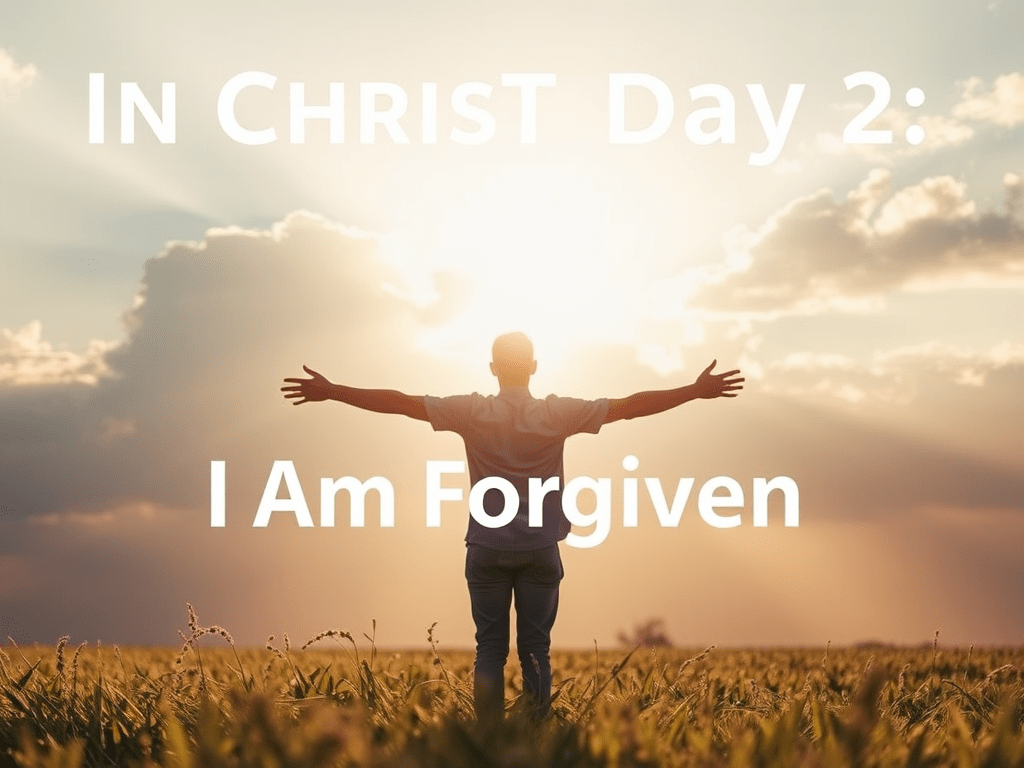
Have you ever felt that your past defines how you are seen today and sets limits on what your future can be? It’s a common struggle. Most of us wouldn’t introduce ourselves by listing our past failures. For example, imagine saying, “Hi, I’m Trisha, and I’ve been divorced, struggled to keep my bills paid, and battled an eating disorder. Nice to meet you.” I bet you’d agree—NOT a great way to make an impression! Yet, we often do the same to ourselves, allowing our past to dictate our identities.
We fall into the trap of identifying others by their mistakes or failures as well. Take my cousin, for instance. I might say, “Oh, you mean the one who ignores me at family reunions and speaks negatively about me because we disagree politically?” While it’s easy to perceive others through the lens of their actions, especially the hurtful ones, we must learn to view them—and ourselves—by a different standard.
When we turn to God’s Word, we discover that He does not see us through earthly perspectives. Instead, He looks at our hearts and perceives our new identities through the lens of Jesus’ sacrifice on the cross.
In Ephesians 1:7-8, we are reminded, “In him we have redemption through his blood, the forgiveness of our offenses, according to the riches of his grace.” When we accept Jesus as our Savior, we can boldly claim our new identity: I am forgiven.
This forgiveness is not limited to small mistakes; it is complete and total. When we ask for God’s forgiveness, He grants it fully. However, this does not mean we use this grace as a free pass to continue in sin. The message is clear: God does not hold our past against us nor define us by it, and neither should we allow anyone else to do so. After all, no one else is greater than our God.
In Christ, we are forgiven. Understanding this monumental truth helps us to see ourselves as sons and daughters of God. As we embrace our identity, we will begin to view others differently as well. Walking in forgiveness extends beyond ourselves; it teaches us how to forgive ourselves and those around us.
It’s crucial to remember that forgiveness is a gift freely given by Jesus, one we cannot earn. But there are requirements: we must choose to receive this gift and live out of that forgiveness.
As we engage with this truth today, reflect on 1 John 1:9, which assures us: “If we confess our sins, he is faithful and just to forgive us our sins and to cleanse us from all unrighteousness.” Let’s take a moment to breathe in the reality that we are indeed forgiven, and with that forgiveness, we can step into a new way of living.
As we conclude “Day Two: I Am Forgiven,” let’s embrace our new identities and recognize the transformative power of grace, which allows us to move beyond our past and step boldly into the future God has for us. Remember, you are forgiven!
If you’re looking for a focal verse for your study, consider spending time with Ephesians 1:7. Let’s apply the S.O.A.P. method for reflection:
- Scripture: Write out the verse for clarity.
- Observation: Reflect on what the verse reveals about our new identity.
- Application: How does this scripture pertain to your life today?
- Prayer: Engage in prayer, asking God to help you understand and live out this truth.
As we step into this journey together, let’s celebrate who God has made us to be—brand new in Christ. Let the truth of His word guide us as we uncover the depths of our identity, one day at a time.





 Pastor Tricia's Ramblings
Leave a reply to gypsyjeff68 Cancel reply